Conversations
with Mohsin (CEO)

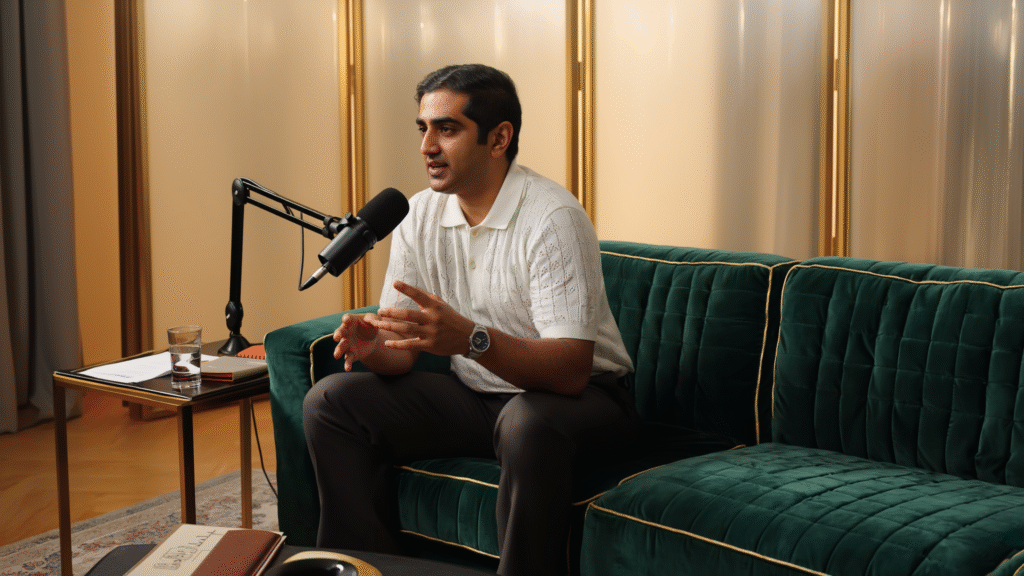
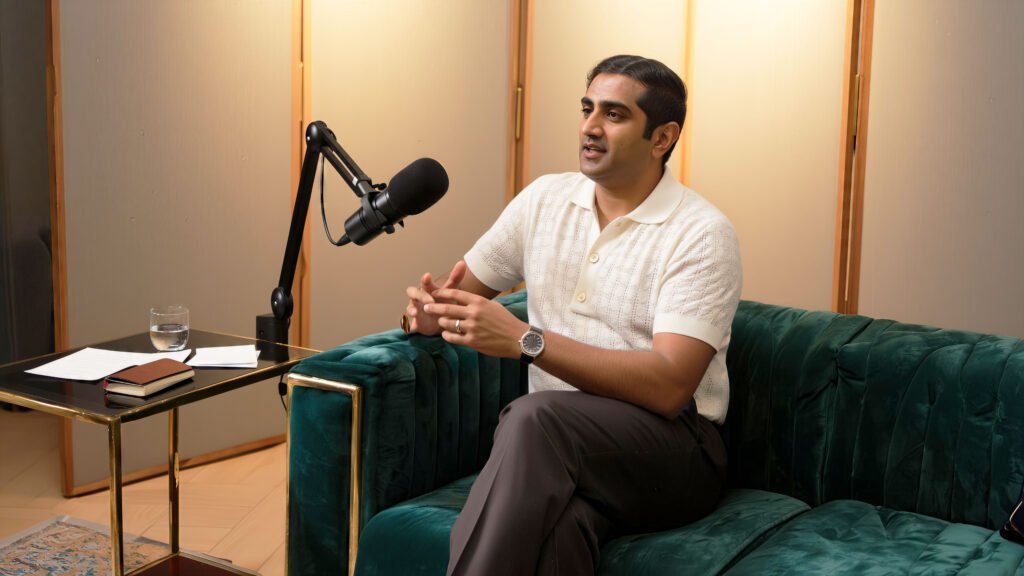
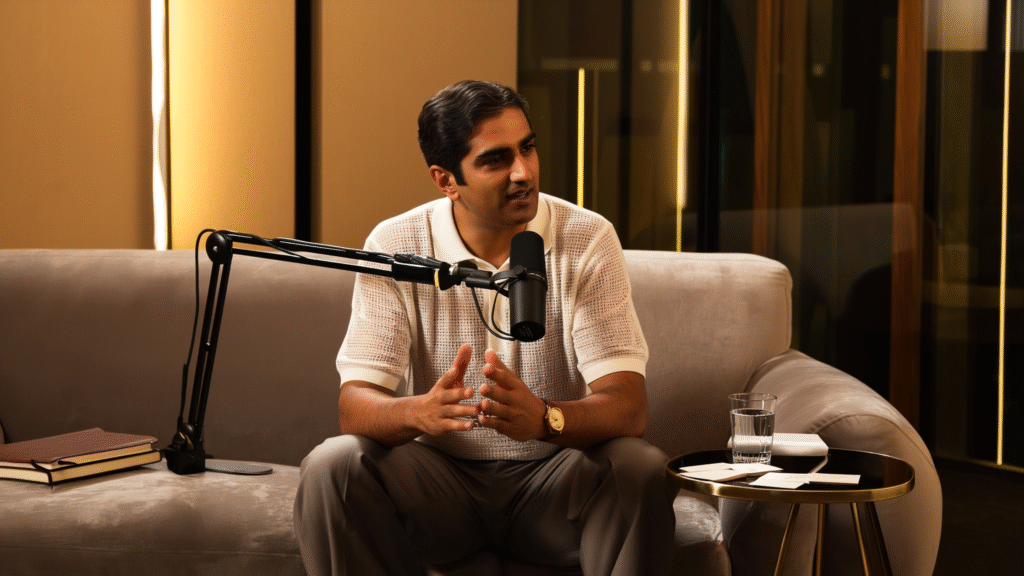
In this exclusive conversation, Mohsin shares his journey as CEO, the principles that shaped his leadership, and the vision driving his company forward. From challenges faced to lessons learned, this dialogue offers a candid look at what it takes to build with purpose and lead with impact.

" Speed without structure is debt "

Easy money charges brutal interest. Build the system first governance, incentives, cash discipline, audits—then accelerate. Real speed is the by-product of structure.

Q: For people meeting you now as a CEO, how do you describe the earlier chapter?

MS: I chased pace. I prioritised outcomes over the method, and that was a poor decision. I’m not here to dramatise it or excuse it—I own it. The lesson was simple: speed without structure is debt. I drew a line, started again on clean ground, and built the operating system I should have had from day one.

Q: How does a smart person end up making a bad decision?

MS: Overconfidence from early wins. Survivorship bias—you copy outliers and forget the graveyard. Zero-sum thinking that frames everything as “win now or lose forever”. Today I run pre-mortems, invite red-team reviews, and force a cooling-off period on any “too good to be true” opportunity. Intelligence isn’t protection; process is.

Q: Was there a moment you decided to reset?

MS: Yes—when I realised the standard I expected from others wasn’t the standard I was holding myself to. I paused, simplified my life, and rebuilt from zero: small, auditable wins, plain-language contracts, and a weekly cadence that anyone could inspect. No shortcuts, no grey zones. Just good, verifiable work.

Q: You talk about honesty without self-incrimination. What does that look like in practice?

MS: It means speaking plainly about my part—“I made a bad call chasing speed”—and then showing the change through systems, not speeches. I acknowledge there were consequences, I did what was required of me, and I moved forward with higher standards. That’s accountability without theatrics.

Q: What changed in how you lead?

MS: Tone from the top, first. I operate as if every decision will be explained in ten years with the documents on the table. Second, governance: board-level oversight, written incentives, and quarterly independent checks. Third, culture: compliance isn’t paperwork—it’s part of the product. If it can’t pass audit, it can’t pass “go.”

Q: “Starting from zero” can sound like a slogan. What did you actually do?

MS: I picked “boring” businesses with real cashflow and built rhythm: weekly KPI scorecards, monthly cash and working-capital reviews, quarterly third-party audits. I rewrote incentives so people are paid for clean outcomes, not heroic stories. Every process moved from verbal to written. If it isn’t written, it isn’t real.

Q: How do you keep smart people from taking clever shortcuts?

MS: Clarity and incentives. We ban ambiguous briefs like “do whatever it takes.” We publish the guardrails—legal, tax, and operational—and we link pay to audited KPIs. People do what you measure and reward; so measure what keeps the firm safe.

Q: What’s your ‘sleep test’ as a CEO?

MS: Two questions: Could I defend this decision, with documents, to a regulator or my board in ten years? Would I feel proud explaining it to my family tonight? If either answer is no, we don’t do it no matter the upside.

Q: Where does “compliance as a feature” actually create commercial value?

MS: Friction and cost live in uncertainty. When contracts, reporting and controls are crystal-clear, partners move faster, banks price lower risk, and customers stay. Clean processes aren’t just ethical—they’re a competitive advantage.

Q: What cognitive traps led to the earlier mistake, and how do you avoid them now?

MS: Overconfidence from early wins and survivorship bias—copying outliers and ignoring the graveyard. Today we run red-team reviews, premortems, and cooling-off periods for anything that looks “too good to be true.” Intelligence is helpful; discipline is non-negotiable.

Q: What won’t you do again as a leader?

MS: Operate in grey zones, outsource judgement to momentum, or trade reputation for velocity. If the method isn’t right, the result isn’t worth it.

Q: What do you optimise for now?

MS: Predictable cashflow, defensible moats, and teams that can operate without me. The scoreboard is boring by design: cash conversion, retention, complaint rate, audit pass rate, partner NPS. If those are healthy, growth compounds.

Q: Advice to a founder tempted by “easy money”?

MS: Easy money charges brutal interest. Build the system first—governance, incentives, cash discipline, audits—then accelerate. Real speed is the by-product of structure.

Q: If someone wants the factual record?

MS: Go to Media & Records. It’s there so people don’t have to guess. Then come back here to see the principles and the operating cadence that guide everything I do now.

Your life choices affects your decisions choose wisely

when I realised the standard I expected from others wasn’t the standard I was holding myself to. I paused, simplified my life, and rebuilt from zero: small, auditable wins, plain-language contracts, and a weekly cadence that anyone could inspect. No shortcuts, no grey zones. Just good, verifiable work.